
English
Views: 0 Author: Site Editor Publish Time: 2026-09-15 Origin: Site


In high-value textile markets like activewear, medical PPE, and outdoor gear, cloth-to-film lamination plays a strictly critical role. Compromised breathability or sudden delamination quickly equals complete product failure. Investing in a PUR Hot Melt Lamination Machine for Cloth-to-Film represents a high-stakes capital expenditure for your manufacturing facility. Polyurethane Reactive (PUR) chemistry offers superior structural bonding and exceptional washability. However, it introduces incredibly strict operational demands. You must control ambient moisture and material tension precisely.
This technical guide provides procurement and engineering teams a clear, evidence-oriented evaluation framework. We help you assess machine specifications accurately to protect your investment. You will learn how to mitigate severe operational risks on the production floor. Ultimately, this knowledge enables you to select a highly reliable equipment partner for scaling complex laminations safely.
 |  |
Tension Control is Non-Negotiable: Processing ultra-thin films (TPU, PTFE) requires synchronized, multi-point tension control to prevent wrinkling and dimensional distortion.
Adhesive Precision Dictates Performance: Gravure (engraved dot) rollers are critical for applying exact PUR coating weights to maintain fabric breathability.
Maintenance Realities: PUR is moisture-reactive; successful equipment adoption requires enclosed melting systems (nitrogen-sealed) and strict cleaning protocols.
Vendor Validation: Never buy without conducting a Factory Acceptance Test (FAT) using your specific substrates and adhesive grades.
Standard water-based or EVA laminators frequently fail the rigorous demands of modern technical textiles. They struggle to deliver industrial wash-resistance. Their chemical durability remains poor against strong detergents. Furthermore, standard adhesives often dry stiffly. They ruin the soft hand feel consumers demand from premium activewear.
PUR serves as the gold standard due to its specific cross-linking chemical reaction. Isocyanate groups react with ambient moisture over 24 to 48 hours. This reaction creates an irreversible, thermosetting bond. It resists extreme high temperatures and harsh sterilization cycles. This specific chemistry makes PUR ideal for advanced waterproof fabric lamination.
A highly successful textile film lamination machine implementation drives clear, measurable ROI metrics. You should expect consistently low defect rates during quality control checks. Your team will minimize expensive adhesive waste through precise application. High operational uptime becomes your daily norm, reducing idle shifts.
Handling stretchy elastane fabrics alongside fragile, micro-porous films presents a massive engineering challenge. Ultra-thin PTFE films distort or tear easily under minimal stress. Meanwhile, elastane blends stretch out and snap back aggressively. If you mismanage web tension, the final composite will warp. This creates an unwearable garment.
You must mandate closed-loop tension control hardware. Servo-driven motors offer immediate, micro-adjustments to running speeds. Load cells provide real-time tension feedback to the central computer. Magnetic powder brakes create highly independent tension zones across the web. They prevent wrinkling effectively.
Best Practice: Always test maximum tension limits during commissioning. Common Mistake: Relying on manual dial adjustments for elastic fabrics leads directly to inconsistent batches.
Engraved dot rollers, commonly called gravure rolls, remain the absolute industry standard. They serve as the best choice for any fabric film laminator aimed at breathable apparel. Instead of a continuous sheet, they deposit distinct micro-dots of adhesive.
This dotted geometry leaves microscopic gaps between the fabric and the film. These intentional gaps allow sweat and moisture vapor to pass through freely. You also need easily swappable roller systems. Different coating weights (measured in GSM) require quick physical roller changes to accommodate varying substrates.
Adhesive Application Comparison
Feature | Engraved Roller (Gravure) | Slot Die System |
|---|---|---|
Breathability Retention | Excellent (Micro-dot pattern) | Poor (Continuous barrier) |
Adhesive Precision | Highly Exact | Moderate |
Apparel Suitability | Ideal for activewear/medical | Better for industrial tarps |
Changeover Speed | Fast (Quick-swap capable) | Slower (Requires shim changes) |
 |  |
Diathermic oil-heating cylinder stability directly impacts your bond strength. Any temperature fluctuation causes uneven adhesion across the fabric roll. A stable thermal profile ensures the PUR adhesive reaches its exact activation state evenly.
The cooling roller plays an equally vital role in structural integrity. It actively halts the thermal process before the machine rewinds the material. Rapid cooling prevents delicate TPU films from shrinking. It secures dimensional stability so the fabric lays perfectly flat for cutting later.
PUR adhesives carry a severe moisture-reactive risk. If ambient plant humidity enters the melting tank, the PUR begins curing prematurely. Fully cured adhesive inside your delivery system causes catastrophic downtime. You often have to replace hoses and pumps entirely. Repair costs escalate rapidly.
You must specify extremely precise PUR melter requirements to avoid these disasters:
Require a fully sealed, inert gas environment. Nitrogen sealing effectively prevents premature cross-linking inside the drum.
Look for precision gear pumps. They push highly viscous hot melt smoothly without pulsation.
Mandate heated, Teflon-lined hoses. They maintain exact temperature and viscosity from the melting drum directly to the applicator head.
Operational discipline separates profitable facilities from failing ones. Running a PUR fabric bonding machine demands strict daily habits. Choose equipment featuring automated purging sequences. Simplified, one-touch cleaning modes reduce operator error. They minimize the chance of accidental curing over the weekend.
Modern textile production lines face frequent, rapid product changeovers. You need PLC-controlled touchscreens, known as Human-Machine Interfaces (HMIs). High-quality HMIs store distinct parameter "recipes" for every material combination you run.
Operators can recall tension settings instantly for a specific nylon-PTFE blend. Temperature and speed parameters load automatically. This intelligent automation drastically reduces scrap material during early setup phases. It removes guesswork from the operator's daily routine.
 | 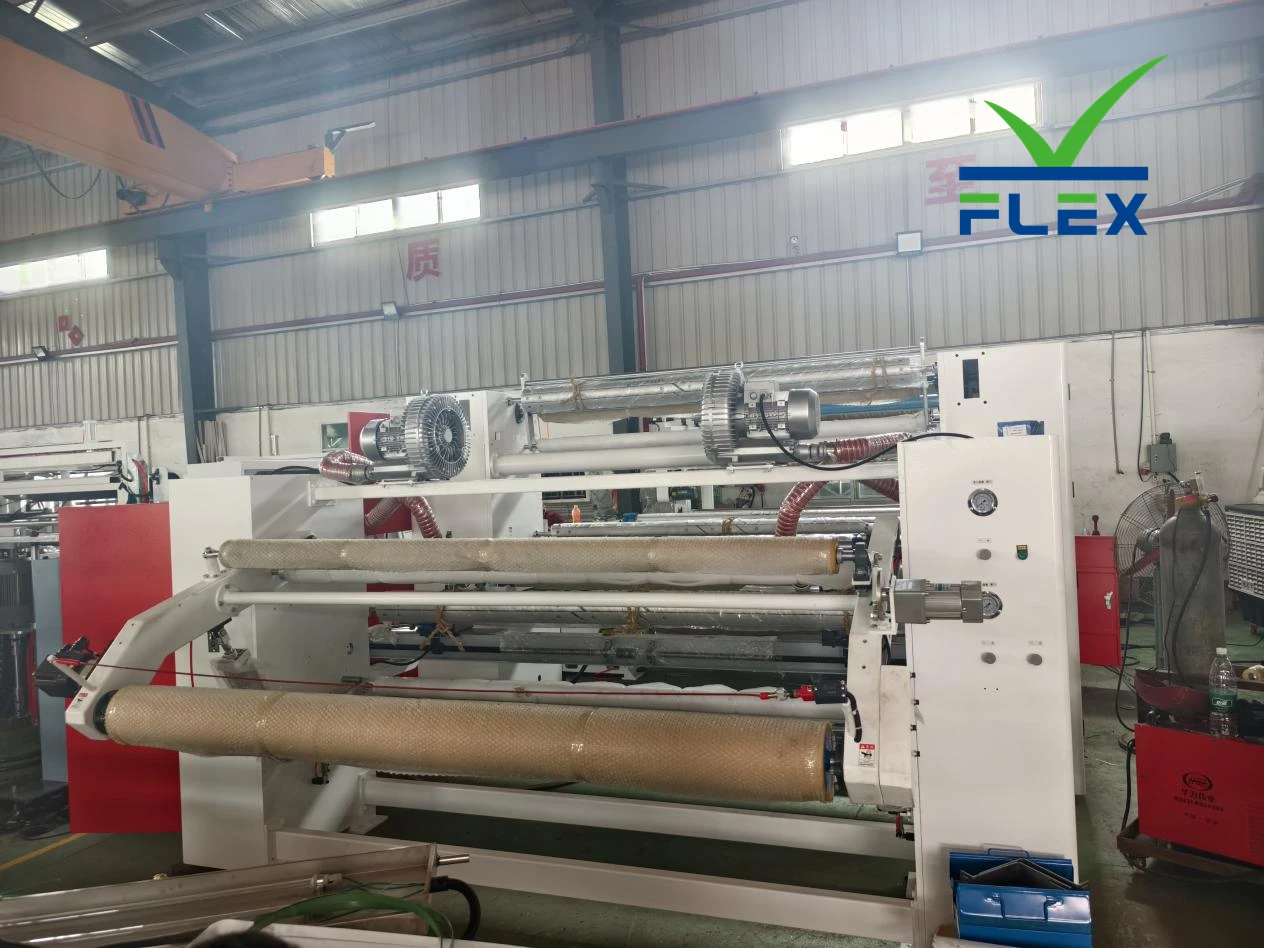 |
Equipment brochures often tout maximum mechanical speeds around 40 to 50 meters per minute. However, your actual process speed differs entirely. The specific PUR adhesive's chemical "open time" dictates how fast you can actually run the line.
Substrate limits also cap your maximum operational speed. Fragile films tear instantly if pushed too hard through the pressing nips. Always balance the machine's mechanical capability against the chemical realities of your chosen adhesive.
Industrial laminators utilize intense heat and potent chemistry. You must verify robust exhaust ventilation systems. They must extract volatile organic compounds (VOCs) away from the operator efficiently. Check the physical placement of emergency stop buttons along the entire line length.
Ensure the machine carries valid CE or ISO certifications. These certifications protect your operators physically. They also satisfy your facility's strict environmental and safety compliance audits.
Never accept theoretical performance claims from an equipment brochure. You must conduct a thorough, physical material trial. Demand sample runs during a formal Factory Acceptance Test (FAT). Bring your exact cloth, your exact film, and your preferred PUR adhesive brand to the trial.
Assess the engineering tolerances of the machine frame meticulously. A heavily cast, rigid structure reduces vibration at high speeds. Less vibration ensures a highly uniform, flawless adhesive coating. Flimsy frames cause micro-chatter, which ruins breathability patterns.
Evaluate your vendor beyond the initial purchase price tag. Look closely at mechanical energy consumption. High-efficiency oil heating systems save massive amounts of electricity over a ten-year span. Review their Service Level Agreements (SLAs) carefully.
Confirm they stock critical spare parts locally to your facility.
Check the immediate availability of replacement gravure rollers and high-temp seals.
Verify their technician response times for sudden emergency breakdowns.
Choosing a reliable cloth-to-film laminating machine requires ongoing, proactive vendor support. A machine offline for three weeks waiting for a proprietary sensor destroys your delivery schedules.
Choosing the right machine requires balancing several critical technical factors. You need precision web handling for fragile films and stretchy fabrics. You also require highly robust, moisture-free adhesive delivery systems. Finally, verified vendor reliability secures your long-term production goals and protects your operational efficiency.
As a crucial next step, build a highly comprehensive material specification sheet. Detail your substrate types, maximum web widths, and expected coating weights. Share this exact document before issuing Request for Quotations (RFQs) to any equipment manufacturers.
A: Hot melt film lamination melts a pre-made solid adhesive web directly between two substrates. PUR dispensing lamination melts reactive liquid PUR from a bulk drum. It then applies this reactive liquid precisely onto the substrate using engraved rollers, allowing better breathability.
A: Yes. However, the machine's tension control system must feature high sensitivity. The heating rollers must also maintain strict, distinct temperature profiles suited uniquely for each specific film type to prevent melting or distortion.
A: Typical lead times range from 60 to 120 days. This depends heavily on your required customization. Adding edge-trimming modules, automated turrets, or specialized web accumulators usually extends the overall manufacturing timeline.
A: Industrial machines demand significant continuous floor space. A realistic baseline requires 10 to 15 meters in length. You must also leave adequate perimeter room around the machine for forklift material handling and safe maintenance access.


