
English
Views: 0 Author: Site Editor Publish Time: 2026-09-12 Origin: Site


Stricter environmental regulations and soaring consumer demands for functional fabrics are reshaping textile manufacturing. Traditional solvent-based adhesives and flame lamination methods are quickly becoming obsolete. They fail to meet modern ecological standards. They also struggle to deliver the performance that advanced activewear requires. As a result, forward-thinking manufacturers are rapidly transitioning to moisture-curing polyurethane reactive (PUR) adhesives.
This critical shift provides a much-needed balance between eco-compliance and high-performance bonding. We created this comprehensive guide to help you navigate this technology upgrade. You will evaluate how an advanced PUR Hot Melt Lamination Machine for Cloth-to-Cloth impacts your production efficiency. You will also see how it improves product quality and long-term return on investment.
Modernizing your production line is a significant decision. We will explore the mechanical advantages of these systems. We will examine their operational risks. Finally, we will provide a clear decision framework to help you confidently select the right equipment for your facility.
 |  |
Performance: PUR adhesive cross-linking delivers superior peel strength and resistance to industrial washing and dry-cleaning compared to EVA or water-based alternatives.
Quality: Precision dot-coating technology preserves fabric breathability and ensures a soft "hand-feel."
Compliance: Shifting to a solvent-free PUR laminator eliminates VOC emissions, meeting global eco-textile standards.
Implementation Reality: While offering superior bonding, PUR systems require strict operational protocols, specifically regarding moisture isolation and post-lamination curing times.
Before adopting new technology, we must evaluate the baseline alternatives. Understanding the flaws of older methods highlights why an upgrade is absolutely necessary for modern textile production. Legacy systems simply cannot keep pace with current quality and safety demands.
Solvent-based adhesives rely on volatile organic compounds (VOCs) to keep the glue liquid. During the drying phase, these toxic chemicals evaporate into the air. This process creates severe regulatory compliance risks. Facilities must invest heavily in environmental hazard management. They often require explosion-proof rooms and advanced ventilation systems. Furthermore, these solvents pose direct health risks to factory workers.
Water-based adhesives offer a safer, non-toxic alternative. However, they introduce significant production bottlenecks. Water takes much longer to evaporate than chemical solvents. This slower drying time severely limits overall line speed. Additionally, water-based bonds generally exhibit lower resistance to high-temperature industrial washing. They often degrade when exposed to harsh detergents or extreme heat.
Flame lamination involves passing a polyurethane foam over an open flame. The heat melts the foam's surface, turning it into a sticky adhesive layer. This method is highly restricted. You can only use it with foam substrates. The burning process releases hazardous emissions and toxic smoke. Furthermore, the intense heat often causes material degradation. It leaves the final composite feeling stiff and uncomfortable.
Table: Comparison of Traditional Fabric Bonding Methods vs. PUR
Bonding Method | Environmental Impact | Production Speed | Bond Durability | Fabric Flexibility |
|---|---|---|---|---|
Solvent-Based | High VOC emissions | Fast | Moderate | Stiff |
Water-Based | Low emissions | Slow (Requires drying) | Low (Weak to heat) | Moderate |
Flame Lamination | Toxic smoke, high emissions | Fast | Moderate | Very Stiff |
PUR Hot Melt | Zero VOCs (Solvent-free) | Very Fast | Extremely High | Soft & Drapable |

To fully appreciate the benefits, you must understand the underlying mechanics. PUR technology fundamentally differs from conventional hot melt adhesives.
PUR stands for Polyurethane Reactive. Standard hot melt adhesives, like EVA, simply melt when heated and solidify when cooled. You can remelt them repeatedly. PUR is completely different. It reacts chemically with ambient moisture in the air and in the fabric itself. This chemical reaction forms an irreversible, cross-linked molecular bond. Once fully cured, heat cannot melt the adhesive again. This thermosetting property guarantees exceptional thermal stability.
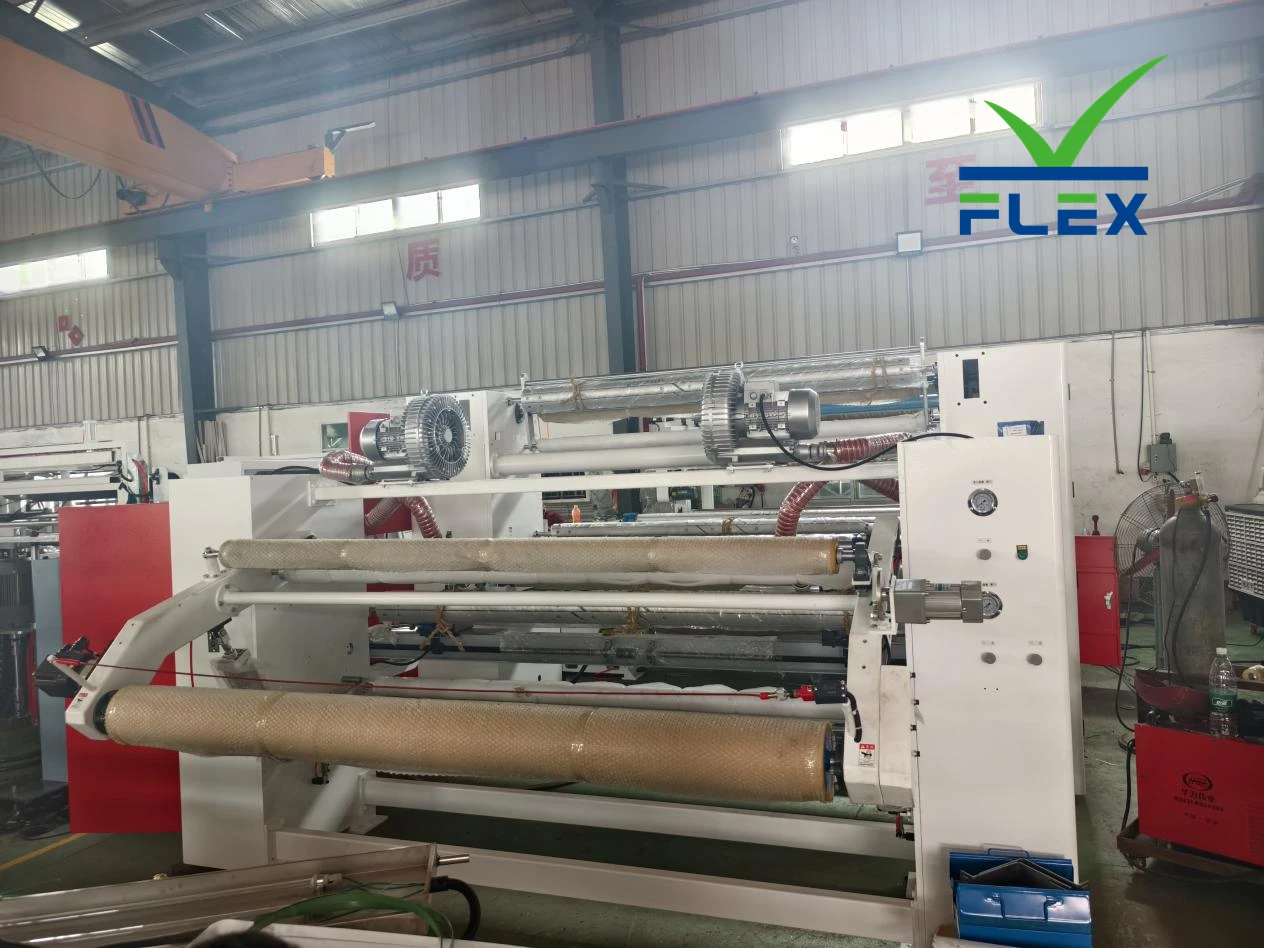
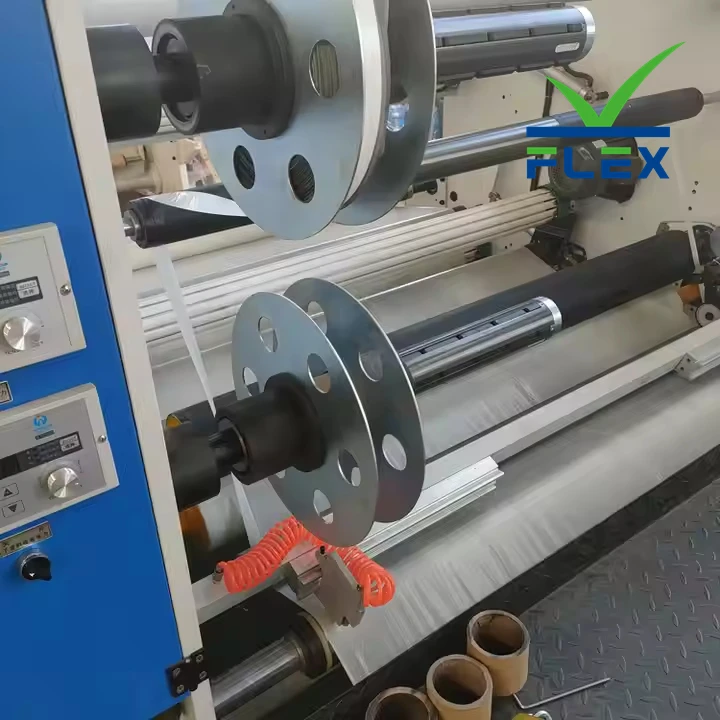
A sophisticated engraved roller system applies the adhesive. We also call this a gravure roller. Instead of spreading a solid sheet of glue, the roller transfers adhesive in microscopic dots or diamond patterns. An integrated doctor blade scrapes excess glue off the cylinder. This ensures only the recessed engravings carry the adhesive to the fabric. You can easily swap rollers to adjust the coating weight or pattern density.
During the gluing phase, a dedicated cloth-to-cloth laminating machine must perfectly manage tension. You are often combining two very dissimilar fabric layers. For example, you might bond a stretchy spandex knit to a rigid woven fabric. If the machine pulls the knit too tightly, it will stretch. Once bonded, the knit will attempt to shrink back, causing severe curling or puckering. Advanced machines use load cells and precise unwinding systems to feed both materials at zero-tension states.
PUR bonding happens in two distinct phases. Immediately after exiting the laminator, the composite achieves "green strength." This initial tack is strong enough to allow for continuous winding onto a roll. However, the true chemical reaction is just beginning. The final moisture-curing window requires 24 to 48 hours. The fabric must sit in a controlled environment to allow the cross-linking process to complete.
Upgrading your machinery transforms the quality of your finished textiles. Let us map the specific mechanical features of PUR systems to direct product outcomes.
Activewear and outdoor gear rely entirely on moisture vapor transmission. If you apply glue as a continuous film, you create a solid barrier. This barrier traps sweat against the body. Because a PUR system uses precision dot-coating, it leaves microscopic unglued spaces between the dots. These open spaces allow air and moisture to pass freely. The fabric retains its natural breathability while maintaining a secure bond.
Consumers demand comfortable, soft garments. Older adhesives often dry hard. They create a "boardy" or crunchy stiffness within the fabric layers. Cured PUR adhesive remains highly flexible. The cross-linked polymers bend and move seamlessly with the textile fibers. Bonded fabrics drape naturally and preserve their original, soft hand-feel.
The irreversible nature of PUR delivers incredible peel strength. The bond easily withstands harsh conditions that destroy other adhesives. It resists medical sterilization processes. It endures high-temperature industrial laundering without delaminating. Furthermore, PUR boasts excellent chemical resistance. Dry-cleaning solvents will not break down the composite layer. This makes it ideal for heavy-duty military, medical, and hospitality textiles.
Modern manufacturing demands flexibility. A high-quality fabric bonding machine utilizing PUR handles incredibly difficult substrates. You can easily bond slick synthetic materials. You can laminate delicate PTFE or TPU waterproof films to rugged woven fabrics. You can even combine heavy, textured knits to thick polar fleece. The adhesive grips a vast range of synthetic and natural fibers effortlessly.
Best Practice: Always test surface energy. Difficult substrates like untreated Teflon may require corona treatment before running them through the laminator.
 |  |
A new lamination line fundamentally changes daily factory operations. It improves environmental safety while demanding stricter maintenance routines.
Global brands heavily prioritize eco-friendly manufacturing. Utilizing a solvent-free PUR laminator instantly elevates your compliance status. You eliminate VOC emissions entirely. You no longer need expensive explosion-proof manufacturing rooms. The air quality inside the factory improves dramatically, creating a safer environment for your workers. Furthermore, eliminating toxic solvents makes it significantly easier to achieve stringent certifications like the Oeko-Tex Standard 100.
PUR adhesives offer incredible initial tack. This high green strength allows the machine to run at rapid speeds. You can implement continuous winding without waiting for long drying tunnels. Over time, PUR also improves material efficiency. Because the adhesive is so strong, you require a much lower volume of glue per square meter. Applying less glue directly reduces your ongoing consumable material expenses.
While the benefits are vast, you must respect the operational risks. The irreversible nature of PUR is a double-edged sword. Once it cures, it becomes a permanent solid. You cannot melt it out of the machine.
You must rigorously protect the adhesive from ambient air before application. You achieve this by using nitrogen-sealed melting tanks. Nitrogen displaces oxygen and moisture, preventing premature curing inside the holding tank.
Maintenance routines must be flawless. If operators leave adhesive on the rollers overnight, it will turn into a rock-hard resin. It will destroy the delicate engraved cylinders. You must follow strict end-of-shift protocols.
Purge all remaining PUR from the supply hoses.
Flush the system with a specialized non-reactive cleaning agent.
Manually wipe down the gravure roller and doctor blade while they are still warm.
Seal all open valves to prevent ambient moisture ingress.
Common Mistake: Rushing the cleaning process at the end of a shift is the most frequent cause of catastrophic machine failure in PUR operations.
Choosing the right equipment requires a strategic approach. Not all laminators deliver the same level of precision. When you evaluate your next fabric composite machine, focus on these four critical criteria.
Tension control is the most important mechanical feature. Poor tension leads to fabric distortion, curling, and rejected batches. Look for machines equipped with closed-loop PLC synchronization. The system should use digital load cells and edge-guiding sensors. These components constantly monitor web tension and automatically adjust motor speeds in real-time. This guarantees perfectly flat composites.
Temperature stability dictates glue performance. The engraved gluing rollers require highly precise, oil-heated internal circulation. Diathermic oil maintains a much more stable temperature across the entire width of the roller than electrical elements. Post-lamination, the machine must feature efficient cooling cylinders. Rapid chilling sets the initial bond, ensuring the fabric does not shift as it winds onto the final roll.
The melter is the heart of the system. Ensure the laminator integrates seamlessly with high-quality PUR drum melters. Depending on your production scale, it should accommodate standard 5-gallon or high-volume 55-gallon drums. The melter must feature precise gear pumps for accurate metering. Consistent glue delivery prevents dry spots and excessive glue pooling.
Machinery is only as good as the operators running it. Because PUR requires specific handling, robust training is mandatory. Prioritize equipment suppliers who offer comprehensive on-site commissioning. Verify they provide detailed training on PUR handling, safety protocols, and daily maintenance routines. Access to fast technical support prevents costly downtime.
The textile industry is moving away from hazardous, inefficient bonding methods. Standard laminators may tempt you with lower upfront price tags. However, a specialized textile lamination machine equipped for PUR technology stands far superior. It delivers the extreme durability, essential breathability, and strict eco-compliance required by modern global brands.
Upgrading your facility removes chemical risks, protects your workforce, and opens doors to new, high-performance product categories. To move forward with confidence, we highly encourage you to request a material trial. Send your most challenging fabric samples to an equipment manufacturer for a proof-of-concept run. Touching the finished composite is the most risk-free way to verify the peel strength and hand-feel before committing to a capital expenditure.
A: Initial handling strength is immediate, allowing for immediate roll winding. However, full cross-linking typically requires 24 to 48 hours depending on ambient humidity and temperature. You should store the bonded rolls in a controlled environment during this phase.
A: Yes, provided the machine is equipped with advanced tension control. It must feature load cells and edge-guiding systems to feed stretchy knits without pulling them tight. Proper tension management prevents the final composite from shrinking or curling.
A: The solid adhesive itself is typically not breathable. However, the dot-pattern application method leaves microscopic unglued spaces between the dots of glue. This strategic pattern maintains the natural air and moisture breathability of the textiles.
A: It requires highly disciplined cleaning routines. The system must be sealed from air and moisture when not in use. Operators must clean the hoses and rollers with specific purging agents at the end of every shift to prevent permanent glue hardening.


