
English
Views: 0 Author: Site Editor Publish Time: 2026-10-01 Origin: Site


Industrial manufacturing and assembly increasingly demand advanced bonding solutions. Engineers require adhesives combining the rapid processing speeds of traditional hot melts and the structural durability of two-part epoxies. Standard options often fall short in demanding factory environments.
Ethylene Vinyl Acetate (EVA) easily melts under high thermal stress. Traditional epoxies slow down fast-paced production lines significantly. You need a reliable bridge between immediate handling capabilities and permanent holding power.
PUR Hot Melt Adhesive functions as a moisture-curing, urethane-based polymer designed for these exact challenges. We will explore how its unique two-stage curing mechanism transforms assembly lines. You will learn how to evaluate its strategic advantages and determine if your facility should upgrade.
 |  |
PUR hot melt adhesive operates in two stages: an initial thermoplastic melt for rapid "green strength," followed by a thermosetting chemical reaction with ambient moisture for permanent cross-linking.
It provides superior heat, moisture, and chemical resistance compared to traditional EVA hot melts.
Because PUR cures via moisture, it requires specialized, airtight dispensing equipment to prevent premature curing inside the machinery.
Transitioning to PUR requires upfront equipment investment, but often yields long-term ROI through reduced adhesive volume usage and lowered product failure rates.
This adhesive operates differently from standard glues. It relies on a distinct two-phase process. We must understand both stages to optimize production lines properly.
The first phase mirrors standard hot melts. Equipment applies the polymer in a heated, liquid state. However, application temperatures remain considerably lower than standard hot melts. You typically apply it between 250°F and 280°F. The liquid rapidly cools upon contacting the substrate.
This rapid cooling forms high "green strength." Green strength refers to the immediate holding power before full chemical curing occurs. High green strength allows immediate handling of newly bonded parts. You can move components downstream for further processing without mechanical clamping. This speed keeps manufacturing lines moving efficiently and eliminates the need for massive holding racks.
The second phase sets this technology apart completely. The polymer begins a thermosetting chemical reaction immediately after application. It reacts directly to ambient moisture in the surrounding air. It also pulls natural moisture from the substrates themselves.
This reaction forms an irreversible cross-linked polymer network. The chemical bonding process usually takes 24 to 48 hours to complete. Ambient humidity and room temperature dictate the exact curing timeline. Higher humidity accelerates the cross-linking process significantly.
The Reality Check: You must understand the strict permanence of this bond. Once fully cured, the adhesive bond cannot be remelted. Heat will not reverse the chemical network. You must mechanically remove it or treat it using highly aggressive solvents. This thermosetting property ensures a fail-safe bond in harsh environments.
Upgrading your assembly line requires clear engineering justification. This adhesive delivers specific structural benefits over older technologies. Let us evaluate the primary strategic advantages you can expect.
Extreme Temperature and Weather Resistance: Standard glues fail under extreme thermal stress. This thermosetting polymer maintains structural integrity in sub-zero environments easily. It also excels in high-heat applications. Cured bonds often resist sustained temperatures up to 300°F (150°C). This makes it ideal for exterior building products or engine compartment components.
Substrate Versatility: Modern manufacturing uses highly complex materials. Engineers often struggle when bonding difficult, non-porous substrates. This adhesive effectively bonds plastics, metals, glass, and varnished woods. It achieves these strong bonds without extensive surface priming. You save valuable time by eliminating extra surface preparation steps.
Flexibility and Impact Resistance: Many strong industrial adhesives suffer from brittleness. Cyanoacrylates and standard epoxies often crack under physical stress. This polymer retains distinct elastomeric properties after curing. It absorbs continuous vibrations effectively. This flexibility prevents brittle failures in dynamic end-use applications.
Lower Application Temperature: High heat can destroy delicate materials quickly. Standard hot melts often cause thermal distortion. They can even burn through heat-sensitive substrates. You apply this urethane-based melt at much lower temperatures. This cooler application protects thin plastics, delicate foils, and sensitive electronic components.
 |  |
Choosing between competing technologies requires comparing their core characteristics. We outlined the primary differences in the comparison chart below.
Adhesive Comparison Chart: EVA vs. PUR
Feature | Traditional EVA Hot Melt | PUR Hot Melt |
|---|---|---|
Bond Permanence | Reversible. Melts easily if reheated. | Irreversible. Thermoset network will not remelt. |
Adhesive Mileage (Coverage) | Requires thicker lines for strength. | Requires thinner bond lines for maximum strength. |
Equipment Required | Open tanks and standard application rollers. | Airtight, moisture-free sealed environments only. |
Maintenance Needs | Minimal end-of-day maintenance routines. | Strict daily purging routines to prevent damage. |
Cost Profile | Lower initial material and equipment costs. | Higher initial costs, offset by lower application volumes. |
EVA remains fundamentally reversible. The bond melts if you reheat the finished product. This causes catastrophic failures in hot climates. The urethane alternative is strictly irreversible. It becomes a dense thermoset plastic. It will never remelt under environmental heat.
Volume usage impacts your long-term material budgets. You require a much thinner bond line to achieve maximum strength using urethane polymers. Thinner lines mean lower volume usage per unit compared to EVA. You stretch your material budget further across high-volume production runs.
EVA offers excellent operational simplicity. You can use open tanks and standard rollers safely. Operators perform minimal end-of-day maintenance. The moisture-curing alternative demands complex handling. It requires strictly airtight, moisture-free environments. Facilities use sealed cartridges, specialized drum unloaders, or nitrogen-purged tanks. You must implement strict purging routines to prevent permanent equipment destruction.
Initial expenses differ significantly between the two options. The advanced polymer carries a higher cost per pound. You also face a higher initial equipment cost for sealed melters. However, lower application weights offset these higher material prices. Premium end-product durability sharply reduces costly warranty claims.
Transitioning to this technology brings new operational challenges. Facility managers must prepare their teams for strict handling requirements.
You cannot use standard open-air melters. Atmospheric moisture will ruin the material instantly. Moisture causes the adhesive to cure permanently inside the tank or hoses. You must invest in fully sealed melting systems. Nitrogen blanketing systems often protect bulk tanks from ambient humidity.
Maintenance schedules become absolutely critical. You must use dedicated chemical purge compounds during line shutdowns. Operators pump these non-reactive waxes through the system. This flushes out active urethane before it cures. Forgetting this step permanently clogs nozzles. It ruins expensive heated hoses. Strict adherence to shutdown protocols prevents catastrophic equipment failure.
Safety protocols require immediate updates. Unreacted material contains volatile isocyanates. These chemical compounds require careful handling by trained staff. Facility managers must ensure proper workplace ventilation. Operators need appropriate Personal Protective Equipment (PPE) at all times. You must adhere strictly to OSHA and local safety compliance standards during application.
Inventory management requires much tighter controls. Unopened containers typically have a strict shelf life. You usually have 6 to 12 months before the product expires. Manufacturers package it in foil-lined, moisture-barrier packaging. A single microscopic puncture ruins the entire container. You must implement strict first-in, first-out (FIFO) inventory practices.

Various industries rely on this unique performance profile. We see rapid adoption across highly demanding manufacturing sectors globally.
Woodworking and Cabinetry: Cabinet makers use it extensively for automated edge banding. It creates nearly invisible, water-resistant seams. Kitchen and bathroom environments expose furniture to constant moisture. Standard glues delaminate over time. This moisture-curing bond easily withstands steam and direct water spills.
Electronics Manufacturing: Modern devices demand durable, microscopic bonds. Engineers use it for delicate display bonding and battery potting. The thin bond lines fit perfectly into compact smartphone cases. The inherent impact resistance protects fragile components when users drop their devices. Lower application temperatures prevent heat damage to sensitive circuits.
Automotive Assembly: Vehicle cabins endure brutal temperature swings daily. A car dashboard can easily reach 200°F under summer sun. Automakers use this technology for interior trim, headliners, and complex panel bonding. The high heat resistance prevents upholstery from sagging or peeling over the vehicle's lifespan.
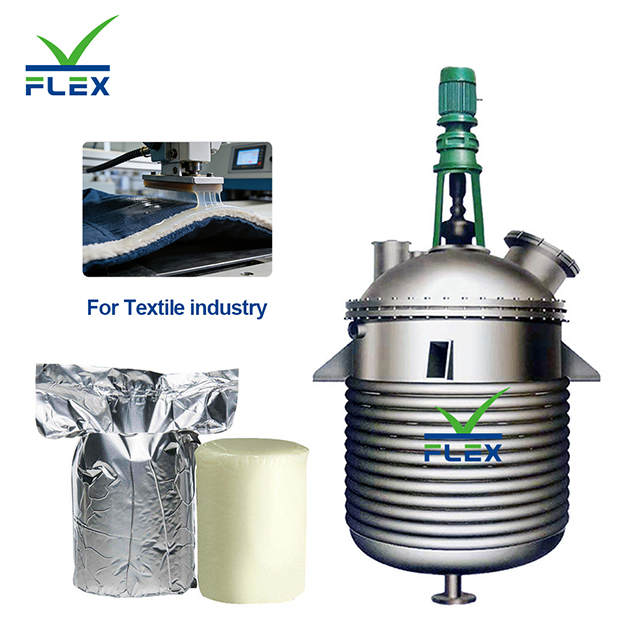
Textiles and Packaging: Flexible materials require highly adaptable bonding solutions. Packaging facilities use it for premium clear-case packaging. The textile industry heavily utilizes Reactive PUR Hot Melt Adhesive for intricate fabric lamination. It maintains high flexibility and excellent washability. Garments survive repeated commercial laundering without delaminating.
Engineers must evaluate several factors before upgrading their facility. Use this checklist to guide your internal decision process carefully.
Assess the End-Use Environment: Look closely at your product's daily lifecycle. Does it face extreme temperatures? Will it see frequent moisture or chemical exposure? If yes, the required equipment investment is highly justified.
Evaluate Line Speed Requirements: Analyze your quality testing and packaging flow. Can your production flow accommodate the necessary 24 to 48 hour waiting period? You need this time for the final moisture cure before stress-testing the product physically.
Next Steps: Do not guess when working with new substrates. We recommend running a controlled pilot test alongside qualified adhesive engineers. Test your exact production substrates in a controlled environment before committing to a full facility rollout.
Polyurethane reactive adhesives represent a massive structural upgrade over traditional hot melts. You exchange a degree of operational simplicity for unmatched physical durability. They deliver exceptional heat resistance, chemical stability, and permanent bond strength.
They serve as the ideal solution for manufacturers where product failure is simply not an option. Facilities dealing with complex substrates benefit immensely from this technology. High-volume operations easily justify the initial investment required for specialized dispensing equipment.
Do not let outdated production bottlenecks hold your facility back. Consult with a qualified adhesive specialist today. Request a comprehensive substrate audit for your specific product line. You can learn more about us and schedule a dedicated equipment demonstration to see the technology in action.
A: It cures in two distinct phases. The initial cooling creates high green strength within seconds to minutes. This allows immediate handling. The full chemical cure takes 24 to 72 hours. This timeline depends heavily on ambient humidity and temperature levels.
A: No. Standard open-air glue guns allow ambient moisture to reach the adhesive. This causes it to permanently cure and harden inside the heating chamber. You must use dedicated, sealed pneumatic dispensing guns or bulk systems designed specifically for moisture-sensitive polymers.
A: You must flush the system immediately after production stops. You cannot wait for the moisture cross-linking to begin. Operators pump dedicated, non-reactive purge compounds through the machinery. These are typically blue or red purge waxes that safely remove active chemicals.
A: It is highly water-resistant. It easily handles intermittent moisture exposure found in bathroom cabinetry or outdoor furniture. However, engineers do not typically rate it for continuous underwater submersion. Consult specific technical data sheets for marine applications.


