
English
Views: 0 Author: Site Editor Publish Time: 2026-08-12 Origin: Site


Automotive Tier 1 and Tier 2 suppliers face mounting pressure today. They must balance high-speed assembly demands against strict OEM quality standards. Modern assembly requires tight controls over VOC emissions, extreme temperature resistance, and multi-substrate adhesion. Missing these targets compromises the entire vehicle build.
Material delamination ruins production margins on the factory floor. Non-compliance regarding interior odor standards frequently leads to costly batch rejections. Prolonged manufacturing delays quickly eat away at annual revenue streams. Automotive manufacturers simply cannot afford failures caused by incorrect glue selection. Understanding the exact chemical profile of your bonding agents is no longer optional.
Production managers and procurement engineers require reliable material guidelines. You will discover an objective framework for evaluating adhesive formulations for vehicle interiors below. We will help you ensure an optimal balance between assembly speed, bond durability, and long-term performance. This guide provides actionable insights for immediate line improvements.
Performance Thresholds: High-grade EVA formulations offer excellent peel strength for porous and semi-porous substrates, making them ideal for carpets, trunk liners, and NVH (Noise, Vibration, Harshness) pads.
Production Efficiency: Formulated for rapid set times, EVA adhesives integrate seamlessly into high-throughput automated assembly lines, reducing press times.
Material Constraints: While highly cost-effective, EVA must be carefully evaluated against PUR (Polyurethane) when structural integrity at continuous extreme high temperatures (above 90°C) is required.
Compliance: Modern low-VOC EVA adhesives are engineered to meet stringent automotive interior air quality standards (e.g., VDA 278).
Auto interiors are highly volatile environments. They endure extreme temperature cycling on a daily basis. Closed cabins bake in the summer sun. Temperatures frequently swing from -40°C in winter to over 85°C during summer afternoons. Such drastic thermal expansion and contraction stress every bonded joint. You must frame this business problem accurately before selecting materials.
Substrate complexity introduces another significant hurdle. Automotive designs frequently utilize low-surface-energy (LSE) materials. Polypropylene (PP) plastics strongly resist adhesion. Bonding these slick plastics to non-wovens, foams, or fabrics requires highly specific tackifying resins. Standard glues simply bead up and fail on LSE surfaces. To succeed, operators must match the surface tension of the substrate to the wetting capability of the adhesive.
Regulatory and sensory success criteria dictate final approval. Strict OEM limitations govern volatile organic compounds (VOCs) and fogging (FOG). Post-assembly outgassing causes hazy windows. Chemical odors trigger immediate customer complaints. Formulations must never produce discernible odors post-assembly. Reliable car interior bonding protects brand reputation without disrupting cycle times.
Common mistakes in this phase include:
Ignoring the dyne level of incoming plastic components.
Assuming all interior zones experience identical heat loads.
Relying on outdated emission test results from suppliers.
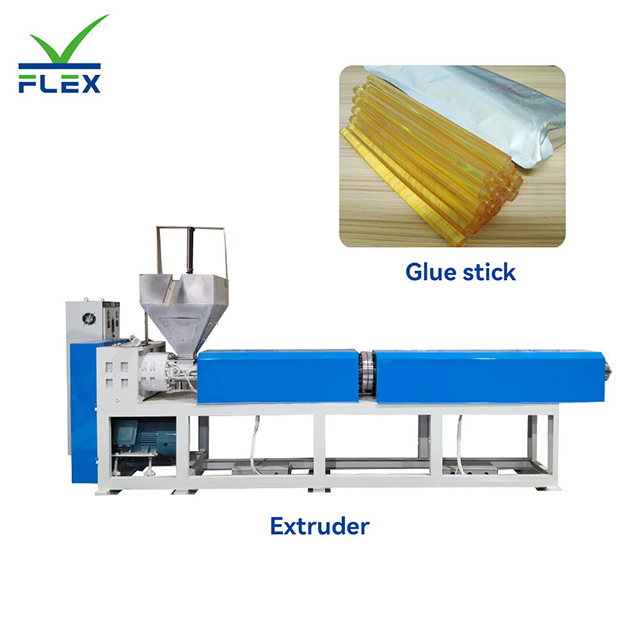
Ethylene Vinyl Acetate (EVA) is a versatile thermoplastic polymer. Its performance relies heavily on its chemical formulation. The Vinyl Acetate (VA) content directly dictates flexibility and adhesion strength. Higher VA percentages yield softer, more flexible bonds. The specific resin-to-wax ratio controls the melting speed and open time. Formulators tweak these ratios to achieve specific assembly goals.
This chemistry excels in specific automotive applications. You will find it commonly used for trunk trim and headliner edge-folding. Sound insulation pads rely on its fast grab. It serves perfectly as an automotive floor mat adhesive where load-bearing requirements remain minimal. The instantaneous bond eliminates the need for expensive drying ovens. This frees up valuable factory floor space.
Engineers must compare formulations objectively. A standard EVA hot melt adhesive provides an excellent cost-to-performance ratio. It sets incredibly fast. It requires zero curing time. Maintenance teams find it exceptionally easy to purge from hoses.
Polyurethane (PUR) behaves differently. It becomes necessary for critical structural bonds. PUR handles extreme heat exceeding 100°C effortlessly. However, it requires atmospheric moisture to cross-link and cure. This curing process takes hours or days. PUR also demands specialized airtight melting equipment to prevent premature curing inside the tank.
Polyolefin (PO) offers a middle ground. It delivers better high-temperature resistance than standard EVA. Manufacturers often use PO for demanding PP plastics. The trade-off involves longer open times. PO formulations usually take longer to set fully, which can slow down rapid assembly lines.
Adhesive Technology Comparison Matrix
Polymer Base | Heat Resistance Limit | Setting Speed | Equipment Requirements |
|---|---|---|---|
Standard EVA | Up to 85°C | Very Fast | Standard open melt tanks |
Polyurethane (PUR) | Above 110°C | Slow (Moisture Cure) | Airtight, moisture-free systems |
Polyolefin (PO) | Up to 105°C | Moderate | Standard open melt tanks |
Thermoplastic Elastomers (TPE) dominate the modern floor mat market. Consumers increasingly prefer TPE over traditional rubber. It offers superior recyclability and a premium tactile feel. Automakers love the lightweight nature of TPE components.
However, the TPE problem causes headaches for production engineers. Plasticizer migration acts as a hidden enemy. Oils and plasticizers inside the TPE slowly migrate to the surface over time. These migrating chemicals aggressively attack and degrade standard adhesive bonds. A floor mat might pass initial quality checks but fail three months later in the field.
Selecting a viable TPE carpet bonding adhesive requires strict evaluation criteria. The formulation must feature specific elastomers. It requires advanced tackifiers explicitly designed to resist plasticizer migration. Standard packaging glues will dissolve when exposed to TPE outgassing.
Testing recommendations remain non-negotiable here. Always perform accelerated aging tests. Expose bonded samples to 80°C for at least seven consecutive days. You must verify cohesive strength maintenance on the TPE backing. If the bond becomes gummy or loses peel strength after heating, the formulation has failed.
Theoretical adhesive performance means nothing if it clogs your machinery. You must meticulously assess equipment compatibility. Evaluate exactly how the new formulation behaves inside your current Hotmelt Adhesive Production Line. Pump pressures, hose temperatures, and nozzle types all influence the final bond quality.
Matching viscosity profiles to application methods is critical. Spray applications demand lower viscosity formulations. Thin fluids atomize cleanly and prevent messy stringing. Slot die coaters require precise rheology. The fluid must flow evenly to ensure uniform coat weights. Roller coating systems need adhesives engineered for high mechanical shear tolerance.
Thermal stability directly impacts machine uptime. Standard EVA can char or gel inside melt tanks. Prolonged exposure to high heat destroys the polymer chains. Degraded glue clogs filters and ruins applicator heads. High-quality formulations contain advanced antioxidants. These additives maintain viscosity and color stability over continuous, multi-shift production schedules.
Cycle time optimization determines your ultimate throughput. You must balance two competing factors. "Open time" represents the window allowed to mate the parts before the glue skins over. "Set time" dictates the duration required under pressure to achieve green strength. Perfecting this balance prevents bottlenecks at the pressing station.
Best practices for line integration:
Flush tanks completely when switching from PO to EVA formulations.
Calibrate hose temperatures weekly to prevent localized hot spots.
Monitor the ambient temperature of the facility, as it alters open times.
Automotive OEMs do not accept guesswork. Standardized testing validation protects your tier status. Suppliers must provide comprehensive Technical Data Sheets (TDS). These documents must prove performance against recognized industry standards. Vague marketing claims hold no value during an automotive audit.
Engineers must verify several key metrics routinely. Peel strength verification remains the primary indicator of success. Laboratories use the ISO 8510-2 standard to conduct 180-degree peel tests on specified substrates. The failure mode must ideally be substrate tear, not adhesive failure.
Emissions compliance dictates interior air quality. Formulations must pass VDA 278 testing protocols. This standard strictly limits VOC and FOG emissions. Climate cycling tests ensure long-term durability. Test chambers run DIN EN ISO 11507 or OEM-specific environmental profiles. Parts undergo freezing, baking, and extreme humidity cycles to simulate decades of vehicle lifespan.
Evidence-oriented purchasing prevents catastrophic failures. Never accept generic "high heat resistance" claims from vendors. Look for specific Softening Point metrics. Laboratories determine this using the Ring & Ball method. Expect a softening point greater than 95°C for any interior cabin application.
Transitioning to a new adhesive introduces immediate production risks. Anticipating these hurdles saves thousands of dollars in wasted materials. Proper implementation requires proactive mitigation strategies.
Risk 1: Substrate Tension. Floor mats or carpets applied under excessive mechanical tension cause lifting. The physical memory of the bent material constantly pulls against the bond line. If this pulling force overcomes the adhesive's green strength before it fully sets, the edges will pop open.
Fix: Adjust fixture clamping times. Extend the press duration by three to five seconds to allow complete cooling.
Risk 2: Coat Weight Inconsistencies. Operators frequently struggle to maintain consistent application volumes. Over-application dramatically increases unit costs and causes ugly squeeze-out along the edges. Under-application leads to localized dry spots and eventual edge-lifting.
Fix: Implement regular pump calibration protocols. Perform daily mil-depth checks using wet film gauges.
Risk 3: Seasonal Temperature Shifts. Ambient factory conditions directly alter adhesive performance. Cold winter facility temperatures act as a heat sink. They prematurely chill the adhesive before operators can mate the substrates together.
Fix: Pre-warm dense substrates using infrared lamps. Alternatively, adjust the application temperature upward within the manufacturer's TDS safety margin.
Shortlisting logic prevents massive inventory errors. Never buy blind. Request 5-10kg sample batches first. Run pilot trials on your actual production equipment. Evaluate the bonded assemblies after 48 hours before committing to bulk container orders.
EVA hot melt adhesives remain a highly efficient solution for automotive floor mats and interior trim. They deliver exceptional cost-effectiveness and rapid processing speeds. However, success depends entirely on selecting formulations specifically tailored for high thermal stability and low VOC emissions. Standard packaging grades simply will not survive inside a vehicle cabin.
Production teams must take immediate action to secure their assembly lines. Engineers should audit their current line speeds and application temperatures today. Document exact substrate combinations, paying special attention to TPE and LSE plastics. Finally, request targeted samples from suppliers accompanied by certified automotive-grade emission reports. Proactive material qualification guarantees seamless production and zero customer rejections.
A: Yes, but it requires highly specialized formulations. Standard EVAs fail due to plasticizer migration from the TPE. Often, engineers recommend inline corona treatment or a specific TPE-compatible EVA/PO blend. These specialized blends chemically resist the oils migrating from the elastomer, preventing long-term bond failure.
A: Standard EVAs typically soften around 70°C to 85°C. Automotive-grade EVAs are specifically formulated to push this softening point up to 95°C or 105°C. This makes them highly suitable for passenger cabins. However, they remain generally unsuitable for under-hood applications where engine temperatures exceed 120°C.
A: EVA hot melts offer instant green strength and require zero curing time. They eliminate the need for massive drying ovens. This drastically reduces the physical footprint and energy costs on a hotmelt adhesive production line compared to water-based alternatives, which require heat and time to evaporate the water carrier.


