
English
Views: 0 Author: Site Editor Publish Time: 2026-04-24 Origin: Site


The textile industry has undergone a profound transformation in bonding technology. For decades, manufacturers relied on solvent-based adhesives, aqueous glues, and flame lamination to join fabrics. While functional, these legacy methods often fell short in durability, sustainability, and process efficiency. Today, a new champion has emerged: Reactive Polyurethane (PUR) hot melt adhesive. It has rapidly become the "gold standard" for laminating non-woven and technical textiles, offering a unique combination of strength and softness.
Manufacturers face persistent challenges with traditional glues, including volatile organic compound (VOC) emissions, low peel strength after washing, and a stiff, "boardy" feel that compromises product quality. PUR technology directly addresses these issues. It creates a powerful, flexible bond through a moisture-curing reaction, delivering performance that older systems cannot match. This guide serves as a comprehensive technical and commercial analysis for any manufacturer considering the integration of PUR adhesives into their non-woven lamination processes, exploring the chemistry, equipment, performance benchmarks, and return on investment.
Superior Durability: PUR provides irreversible cross-linking that survives high-temp washing and dry cleaning.
Process Efficiency: Significant reduction in processing temperatures (down to 100°C) protects heat-sensitive non-wovens.
Sustainability Compliance: Solvent-free formulations meet OEKO-TEX® and bluesign® standards.
Economic ROI: Lower coating weights (2–12g/m²) reduce material waste and Total Cost of Ownership (TCO).

The migration toward PUR technology is not merely a trend; it's a direct response to the inherent failures of older bonding systems. For years, the industry grappled with the significant trade-offs of solvent-based and aqueous adhesives, which are now being decisively resolved by modern polyurethane chemistry.
Traditional adhesives presented a host of operational and product-related problems. Solvent-based systems, while offering good initial adhesion, came with severe drawbacks. Their primary limitation was the emission of Volatile Organic Compounds (VOCs), creating workplace hazards and significant environmental compliance burdens. Furthermore, they required extensive and energy-intensive drying ovens to evaporate the solvent, slowing down production lines and increasing operational costs.
Aqueous (water-based) glues were a step forward in sustainability, but they introduced their own set of challenges. They often struggled with low peel strength, especially after repeated washing or exposure to moisture. The large amount of water also required significant energy for drying, and it could cause delicate substrates to swell or deform. Critically, both solvent and water-based systems frequently resulted in a "boardy" hand feel, creating a stiff, unnatural drape in the final laminated product that is unacceptable in applications like apparel and hygiene products.
The magic of a PUR Hot Melt Adhesive lies in its unique dual-stage bonding process. Initially, it behaves like a standard hot melt: it is melted, applied to a substrate, and provides an immediate "green strength" upon cooling. However, the true innovation happens next. The polyurethane polymer contains reactive isocyanate groups (-NCO) that seek out and react with microscopic moisture molecules present in the air and on the substrates themselves.
This chemical reaction, known as cross-linking, forms an irreversible, thermoset polymer network. Unlike a thermoplastic adhesive that can be re-melted, this new structure is permanent. It creates a bond that is exceptionally resistant to heat, chemicals, and moisture, ensuring it will not fail during high-temperature washing, dry cleaning, or sterilization processes.
Adopting PUR technology translates directly into tangible business advantages. The efficiency gains are substantial. Because PUR adhesives are 100% solid and require no evaporation, production lines can run faster—often achieving speeds up to 10 meters per minute, a significant increase over the typical 5 m/min of older systems. The immediate green strength also allows for faster processing and handling post-application.
Furthermore, PUR adhesives are typically colorless or a very light amber. This clarity allows a single adhesive grade to be used across a wide range of colored fabrics without the risk of a visible glue line. This simple fact can drastically reduce adhesive inventory, simplifying supply chain management and lowering carrying costs.
Successfully implementing PUR lamination requires more than just selecting the right adhesive; it demands precise control over the material from preparation to application. The equipment used, particularly the melting and mixing system, is a critical component in achieving a stable, repeatable, and high-quality process. This is where the reactor mixer plays a pivotal role.
The viscosity of the molten adhesive is one of the most important process variables. A PUR adhesive for Textile Reactor Mixer is designed to heat and maintain the adhesive within a very precise viscosity range, which can span from 500 to 150,000 centipoise (cps) depending on the formulation. This control is crucial for non-woven substrates, which are porous by nature.
If the viscosity is too low (too hot), the adhesive will over-penetrate or "strike-through" the fabric, leading to a stiff hand feel, wasted material, and potential contamination of processing rollers. If the viscosity is too high (too cool), it may not wet the substrate surface properly, resulting in poor adhesion and delamination. A high-quality reactor mixer ensures a homogenous melt without hotspots, delivering a consistent viscosity to the applicator head.
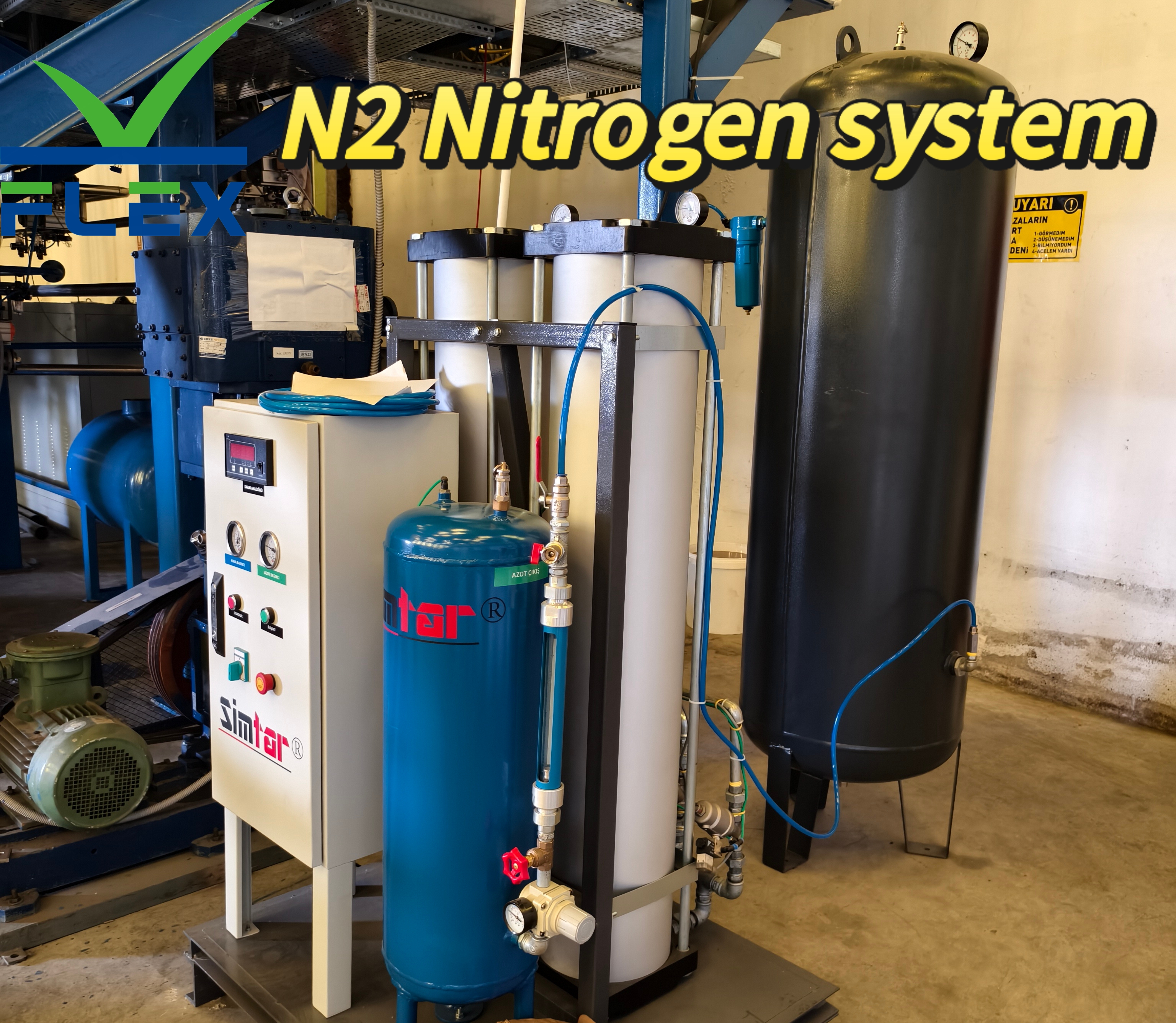
PUR chemistry presents a unique challenge: the "melt-stability vs. curing-speed" paradox. The adhesive must remain stable at application temperature for an extended period (pot life) without prematurely curing inside the equipment. At the same time, it needs to cure quickly once applied to the fabric. Advanced reactor mixers, combined with modern catalyst technology in the adhesive formulation, manage this balance. The reactor provides gentle, uniform heating under a nitrogen or dry air blanket to prevent premature contact with ambient moisture, preserving the adhesive's reactivity for when it's needed most.
The choice of application method depends on the required coating weight, breathability, and end-product characteristics. Each method pairs differently with the controlled output from the reactor mixer.
| Application Method | Description | Typical Coating Weight | Best For |
|---|---|---|---|
| Slot Die Coating | Molten adhesive is extruded through a narrow, precise slot directly onto the substrate. Offers excellent control over width and thickness. | 8 - 50 g/m² | Creating continuous, uniform barrier films. Medical drapes, waterproof membranes. |
| Roller Gravure | An engraved roller picks up adhesive and transfers it to the fabric in a predefined dot or line pattern. | 2 - 12 g/m² | Achieving a very soft hand and high breathability. Intimate apparel, lightweight sportswear. |
| Spraying | Adhesive is atomized and sprayed onto the substrate, creating an open, random fiber-like pattern. | 3 - 20 g/m² | Bonding bulky or irregular non-wovens where a full film is not desired. Filtration media, insulation. |
The greatest implementation risk is unintended moisture contamination. Because PUR cures with moisture, any leak in the system—from a loose fitting on a hose to opening a drum in a humid environment—can cause the adhesive to begin cross-linking inside the equipment. This can lead to blocked nozzles, seized pumps, and significant downtime for cleaning.
Always use a dry air or nitrogen blanket in the reactor melt tank.
Ensure all adhesive drums and pails are sealed immediately after use.
Store adhesive in a climate-controlled, low-humidity environment.
Regularly inspect all hoses and fittings for wear and tear to prevent air leaks.
The theoretical benefits of PUR only matter if they translate into measurable improvements in the final product. Key performance indicators (KPIs) for non-woven lamination focus on tactile qualities, durability under stress, and the integrity of the base materials after processing.

A "soft hand" or "good drape" is a critical requirement in many textile applications, especially medical disposables and intimate apparel. Fabric stiffness is a common failure of older adhesive technologies. PUR chemistry allows for molecular-level design to prevent this. The choice of raw materials—specifically the type of polyols used in the polymer backbone—plays a huge role. Long-chain, flexible polyols create a less rigid polymer structure. Additionally, formulators can incorporate non-reactive plasticizers that integrate into the adhesive matrix, further enhancing flexibility without compromising bond strength.
One of PUR's most significant advantages is its low application temperature. Many advanced PUR grades can be processed at temperatures as low as 100-120°C. This is a game-changer for heat-sensitive non-woven fibers like polypropylene (PP) or certain polyesters. Traditional hot melts often require temperatures of 160°C or higher, which can cause several problems:
Shrinkage: Heat-sensitive fibers can shrink, altering the dimensions and stability of the final laminate.
-
High heat can cause yellowing, especially in white or light-colored fabrics.
-
The delicate structure of the non-woven web can melt or deform, compromising its integrity and feel.
By processing at lower temperatures, manufacturers can preserve the original properties of their substrates, leading to a higher-quality and more consistent final product.
Durability is quantified through standardized testing. Peel strength, which measures the force required to separate the two laminated layers, is a primary metric. For high-performance applications, a target of over 1.5 kg/cm is often the benchmark. Beyond initial strength, resistance to environmental factors is crucial.
The choice between polyether-based and polyester-based PURs depends entirely on the end-use environment. This decision impacts long-term durability.
Excellent Hydrolysis Resistance: Superior performance in wet, humid conditions. It resists breakdown from water molecules.
Good Low-Temp Flexibility: Remains flexible in cold weather.
Ideal For: Outdoor gear, tents, marine applications, roofing membranes.
Excellent Oil/Solvent Resistance: Superior performance when exposed to oils, fuels, and chemicals.
Higher Thermal Stability: Withstands higher operating temperatures.
Ideal For: Automotive interiors, industrial filters, workwear.
For applications involving stretchable fabrics, such as activewear or medical bracing, the adhesive must elongate with the fabric and recover without delaminating. PUR formulations can be designed to have excellent elasticity and flex fatigue resistance. The cross-linked structure provides the strength to hold the layers together, while the flexible polymer backbone allows the bond line to move with the fabric, ensuring bond integrity through thousands of stretching cycles.
The versatility of PUR adhesives allows them to meet the stringent and diverse requirements of various high-performance textile markets. By tailoring the chemistry, manufacturers can create laminates optimized for specific, demanding end-uses.
In the medical field, performance is non-negotiable. PUR adhesives are essential for creating laminates for surgical gowns, drapes, and wound dressings. Their key contributions include:
Barrier Properties: When applied as a continuous film via slot die coating, PUR creates an impermeable barrier to fluids and pathogens, a critical safety feature.
Sterilization Resistance: The thermoset nature of cured PUR allows it to withstand common sterilization methods, including high-temperature autoclaving, ethylene oxide (EtO), and gamma radiation, without degrading or losing adhesion.
Softness & Biocompatibility: Formulations are designed to be non-irritating and create a soft, flexible product for patient comfort.
The market for waterproof-breathable fabrics is driven by performance and, increasingly, sustainability. PUR adhesives are central to laminating membranes (like PTFE or monolithic PU films) to face fabrics. They enable the creation of 2-layer and 3-layer composites that keep water out while allowing moisture vapor to escape. Critically, modern PUR formulations are solvent-free and can meet stringent environmental standards like the ZDHC Manufacturing Restricted Substances List (MRSL) 3.0, a key requirement for major apparel brands.
Inside a vehicle, materials must withstand extreme temperature fluctuations, UV exposure, and constant abrasion. PUR is used to laminate non-woven fabrics for headliners, door panels, and acoustic insulation. Here, high-temperature stability is paramount. Polyester-based PURs are often chosen for their ability to maintain bond strength even when the interior of a car reaches temperatures well above 80°C. They also provide the durability needed for high-wear industrial applications like filtration media and protective covers.
In a global marketplace, certifications are not just a line on a spec sheet; they are a ticket to entry. Using certified PUR adhesives can be a powerful competitive advantage, especially for manufacturers exporting to Europe and North America.
OEKO-TEX®: Certifies that the final textile product is free from harmful levels of specific chemicals, assuring consumer safety.
bluesign®: A more holistic standard that audits the entire production chain—from chemical inputs to final product—to ensure the highest level of environmental health, safety, and resource productivity. Manufacturers can use the bluesign® FINDER database to source pre-approved, compliant adhesives.
By building products with certified components, manufacturers can streamline their own certification process, gain access to premium markets, and align with the sustainability goals of top-tier brands.
While the per-kilogram cost of PUR adhesive may be higher than traditional glues, a proper analysis of Total Cost of Ownership (TCO) often reveals a compelling return on investment. The financial benefits extend far beyond the initial material price, encompassing material usage, energy consumption, and operational efficiency.
A primary driver of ROI is the significant reduction in adhesive consumption. Due to their high bond strength, PURs can be applied at much lower coating weights. Where a water-based adhesive might require 15 g/m² or more to achieve a durable bond, a PUR adhesive can often deliver superior performance at just 8-10 g/m², or even as low as 2-4 g/m² for some applications using gravure coating. This reduction of 30-50% in material usage directly offsets the higher initial cost and reduces the overall cost per square meter of the final product.
The financial impact of energy reduction is substantial. Water-based and solvent-based systems require massive, energy-hungry drying ovens to remove the carrier liquid. These ovens consume vast amounts of electricity or natural gas and occupy a large factory footprint. Since PUR adhesives are 100% solids and cure with ambient moisture, they eliminate the need for these extensive drying tunnels. This leads to immediate and significant savings on utility bills and can free up valuable floor space for other production activities.
Proper maintenance is critical to maximizing the uptime and lifespan of PUR lamination equipment. Negligence can lead to cured adhesive building up in the system—so-called "dead glue"—which can cause catastrophic equipment failure. Establishing a rigorous cleaning protocol is essential.
Use a Compatible Purging Agent: Work with your adhesive supplier to identify a non-reactive cleaning fluid designed to flush molten PUR from the system before it cures.
Regular Purging Schedule: Purge the entire system—reactor, hoses, and applicator head—at the end of every production run or before any planned shutdown. Do not let adhesive sit in a hot but inactive system.
Inspect for Leaks: Regularly check all fittings and seals for signs of air or moisture leaks, as this is the primary cause of premature curing inside the equipment.
Follow Manufacturer Guidelines: Adhere strictly to the equipment manufacturer's instructions for operation, cleaning, and shutdown procedures.
Choosing the right adhesive partner is as important as choosing the right equipment. When evaluating suppliers, look beyond the price per kilogram.
TDS Transparency: The Technical Data Sheet (TDS) should be clear and comprehensive, providing crucial data like viscosity curves, open time, curing speed, and recommended application temperatures.
Batch Consistency: The supplier must demonstrate tight quality control to ensure that the adhesive's properties are consistent from one batch to the next, which is vital for a stable production process.
Technical Support: A valuable supplier acts as a partner. They should offer expert support for process optimization, troubleshooting, and selecting the ideal adhesive grade for your specific substrate and performance requirements.
Reactive Polyurethane hot melt adhesives represent a fundamental modernization of non-woven fabric lamination. They move the industry beyond the compromises of legacy systems, delivering a powerful combination of superior durability, process efficiency, design flexibility, and sustainability. For manufacturers, the adoption of PUR is not just an upgrade in material—it is an upgrade in capability, enabling the production of higher-value textiles for the most demanding markets.
Our final recommendation is to shift the evaluation focus from initial adhesive cost to total process value. Prioritizing chemical stability, batch-to-batch consistency, and the precision of the application system will yield far greater returns through reduced waste, higher uptime, and superior product quality. To fully understand how PUR technology can be integrated into your specific process, a thorough audit of your current operations and end-product goals is the essential next step.
A: The initial bond, or "green strength," forms almost instantly as the adhesive cools. However, the full chemical cross-linking process, which gives the bond its final strength and resistance properties, typically takes 24 to 72 hours. This process depends on ambient temperature and humidity, with higher humidity accelerating the cure.
A: Yes, absolutely. This is one of PUR's key strengths. Low-temperature or dual-curing PUR grades are specifically formulated to be applied at temperatures around 100-120°C. This prevents heat-sensitive fibers like polypropylene from shrinking, melting, or discoloring during the lamination process, preserving the fabric's integrity.
A: The main difference lies in their environmental resistance. Polyether-based PURs offer excellent hydrolysis resistance, making them ideal for products exposed to water and humidity, like outdoor gear. Polyester-based PURs provide superior resistance to oils, chemicals, and higher temperatures, making them better suited for automotive and industrial applications.
A: It depends on the application method. When applied as a solid film (slot die), it creates a non-breathable barrier. However, when applied using a dot-coating pattern (gravure) or as a random web (spraying), the adhesive covers only a fraction of the surface area. This leaves open channels for moisture vapor to pass through, maintaining high breathability.


