
English
Views: 0 Author: Site Editor Publish Time: 2026-04-09 Origin: Site


In the hygiene and pet care sectors, adhesive failure is simply not an option. Processing pressure-sensitive hot melt adhesives (HMPSA) for diapers, pet mats, and adult incontinence products requires flawless compounding of elastomers, tackifiers, and plasticizers. You must achieve absolute chemical uniformity to ensure reliable product performance.
Delivering these adhesives in "pillow" form—co-extruded blocks wrapped in a meltable film—solves handling and melting bottlenecks for end-users. However, manufacturing them demands a reactor capable of infinite precision in thermal control and high-shear mixing. Without this mechanical precision, you risk phase separation, charred materials, and ruined production runs.
Selecting the correct Pressure sensitive hot melt pillow glue reactor dictates your batch consistency, production scalability, and ultimately, your competitive edge in the hygiene market. Read on to discover the core evaluation dimensions, integration strategies, and cost factors you must consider.
Hygiene Compliance Starts at the Reactor: Precise thermal control prevents polymer degradation, eliminating odors and yellowing critical to hygiene product acceptance.
Shear vs. Chemistry: Your reactor must perfectly balance high-shear agitation for rubber-based polymers with gentle blending for volatile tackifiers to maintain the exact tack-to-cohesion ratio.
Downstream Integration is Non-Negotiable: The reactor must provide stable, continuous viscosity output to feed co-extrusion and pillow-forming lines without clogging or irregular sizing.
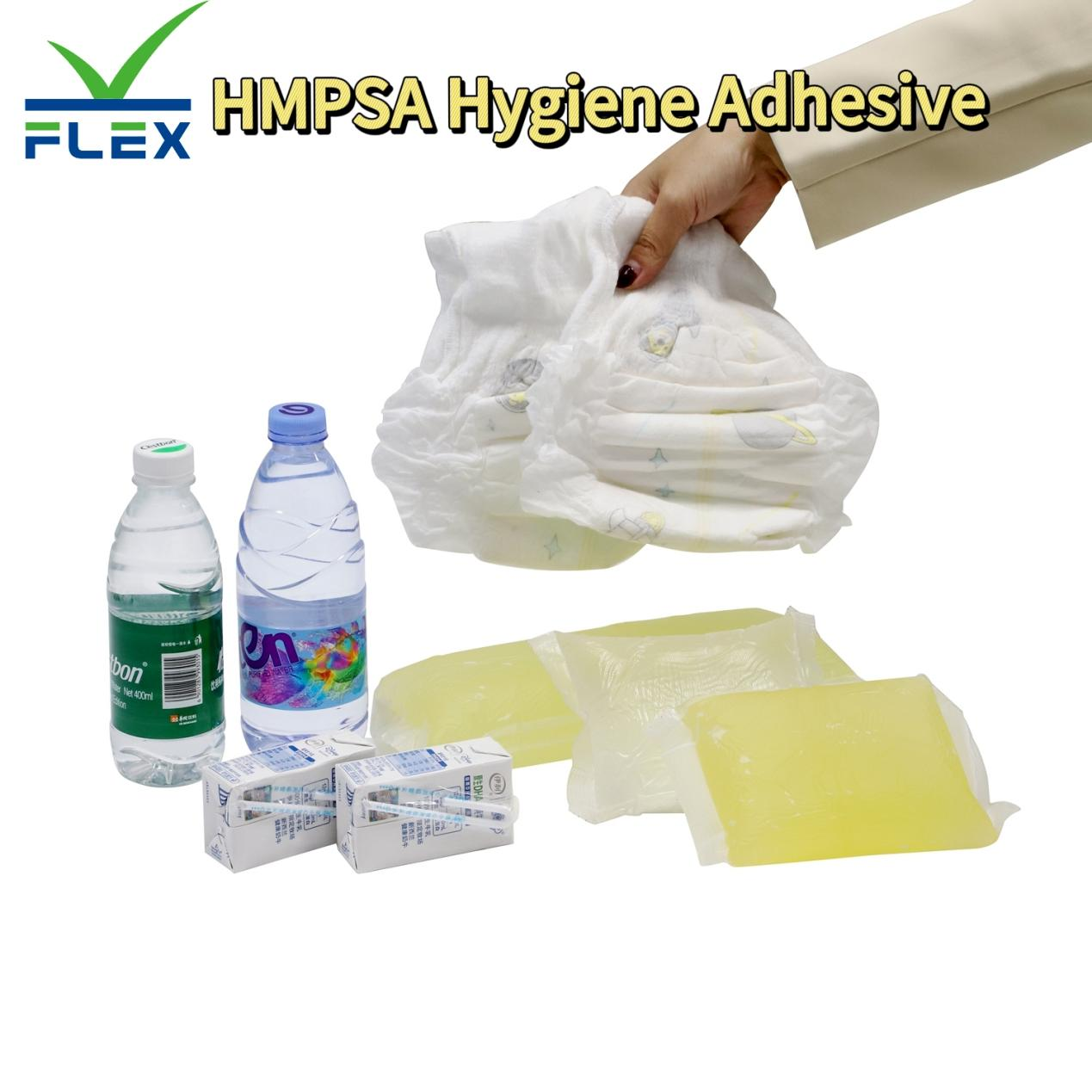

Hygiene and pet care adhesives face extreme operational demands. We formulate them for highly specific single-use applications. Think of elastic attachments on diapers, structural core integrity layers, and garment positioning strips. Pet mats require similar robust characteristics. The adhesive must maintain high initial tack. It has to withstand body temperature and high moisture environments. It must accomplish this without exhibiting cold flow. Cold flow causes material layers to shift over time. It destroys product integrity.
Chemical complexity adds another layer of difficulty. Reactors must seamlessly blend diverse raw materials. You typically process base polymers like Styrenic Block Copolymers (SBCs). You then introduce tackifying resins and liquid plasticizers. Poor blending inevitably leads to phase separation. Phase separation results in catastrophic adhesive failure. For example, a pet mat absorbent core might crack during use. A diaper might leak due to elastic failure.
Aesthetic and sensory constraints dominate the hygiene market. Consumers demand high optical clarity. Zero cytotoxicity is non-negotiable for skin contact items. Manufacturers cannot tolerate volatile organic compounds (VOCs). Equipment must process materials gently. Overheating introduces dark charred particles. It also generates unpleasant odors. Odors immediately trigger consumer complaints and product recalls. Therefore, precise machinery prevents contamination and safeguards your brand reputation.
High-shear dispersion capabilities define a successful production batch. You must evaluate the agitator design rigorously. The reactor must quickly break down raw thermoplastic rubber blocks. It must accomplish this without generating excessive friction heat. Uncontrolled heat degrades sensitive polymer chains. Engineers often specify dual-shaft designs to solve this. They combine high-speed dispersers and low-speed anchor scrapers.
Look closely at zoned thermal management. Multi-zone jacketed heating systems are essential. You can choose thermal oil or electrical heating methods. Thermal oil usually provides superior temperature uniformity. Gradual, controlled heating prevents plasticizers from boiling off. It protects tackifying resins from rapid oxidation.
Vacuum and de-gassing features separate premium equipment from basic models. Premium hygiene labels require bubble-free glue. Positioning tapes demand high optical clarity. The reactor must feature robust vacuum capabilities. It pulls out trapped air and moisture during the melt phase. This step guarantees a flawless final appearance.
Discharge viscosity stability is equally critical. The reactor relies on a discharge pump. This is often a high-viscosity gear pump. It must deliver perfectly consistent pressure. Fluctuating output ruins the downstream pillow co-extrusion process. A leading Pressure sensitive hot melt pillow glue reactor manufacturer ensures pump synchronization. This synchronization matches the exact flow rate required by the extrusion die.
Evaluation Dimension Standard Hot Melt Reactor Specialized HMPSA Pillow Reactor Agitation Design Single-shaft anchor or paddle Dual-shaft (High-shear cowles + Scraped anchor) Thermal Control Single-zone heating Multi-zone thermal oil with precision PID control De-gassing Atmospheric venting High-vacuum sealing for bubble-free clarity Discharge Delivery Gravity or low-pressure pump High-viscosity gear pump synced with PLC
The pillow form offers massive logistical advantages. Pillows provide 100 percent solid adhesive content. They generate zero waste because of their meltable film packaging. Operators drop the entire pillow into their melt tanks. They experience rapid melt rates in their user equipment. This eliminates the need to strip away silicone release liners.
A flawless reactor-to-extrusion handshake is mandatory. The reactor must integrate directly into melt filters. It connects seamlessly to the co-extrusion heads. You must evaluate the control architecture closely. Modern programmable logic controllers (PLCs) handle this integration. Human-machine interfaces (HMIs) give operators full visibility. They ensure the reactor syncs with the cooling bath. They match the pillow cutting speeds precisely. Any delay causes film ruptures or uneven pillow weights.
Changeover agility dictates your facility's output efficiency. You might switch formulas frequently. Today, you run permanent structural adhesives for pet mat backings. Tomorrow, you produce removable positioning adhesives for panty liners. The reactor design must allow rapid purging.
Self-Cleaning Cycles: Built-in solvent or hot flush cycles minimize manual scraping.
Dead-Space Reduction: Flush bottom valves ensure no old adhesive remains trapped.
Quick-Disconnect Fittings: Allow operators to swap filters rapidly between formulation changes.
These features prevent cross-contamination. Cross-contamination between permanent and removable grades ruins product performance completely.

Unpacking the total cost of ownership reveals your true profitability. The initial purchase price represents only a fraction of the investment. You must analyze operational variables to calculate your ROI accurately.
Batch Cycle Time vs. Throughput: Faster blending increases yield. A reactor reducing melt times by 15 percent improves annual output massively. Optimized impeller geometry achieves this speed. You can fit an extra batch into your weekly production schedule.
Energy Consumption: Insulation efficiency matters greatly. Compare heat transfer rates of the heating jacket. Thermal loss directly degrades your profit margins. Efficient thermal oil jackets retain heat longer than exposed electrical elements.
Maintenance and Wear Parts: Rubber-based HMPSAs are highly viscous. They tax motors and seals heavily. Evaluate the durability of mechanical seals. Review gearbox power ratings. Calculate the cost of replacement parts early. Frequent seal failures halt production lines.
Yield Protection: Rejected batches destroy profitability. Charring or inconsistent tack wastes expensive raw materials. Superior automation provides ROI through strict yield protection. Consistent temperature monitoring saves thousands of dollars annually.
Focusing on these long-term operational metrics ensures you purchase a high-performing asset. Cheap reactors often cost twice their purchase price in maintenance and wasted materials.
Implementation brings distinct manufacturing risks. You must identify and mitigate them quickly to protect your launch timeline.
Risk 1: Thermal Degradation. Dead zones exist in poorly designed reactor vessels. Adhesive stalls in these zones. It burns and creates hard char. This char contaminates the entire batch.
Mitigation: Insist on scraped-surface agitators. Demand precise computational fluid dynamics (CFD) modeling from the vendor. This software proves the internal flow dynamics before manufacturing begins.
Risk 2: Incomplete Polymer Solvation. Unmelted rubber creates lumpy adhesive. These lumps cause severe blockages in the customer’s application nozzles. It leads to immediate product rejections.
Mitigation: Conduct rigorous factory acceptance testing (FAT). Use your specific SBC and resin grades during this test. Never rely on generic test materials provided by the vendor.
Risk 3: Downstream Scaling Failures. The reactor produces great lab-scale samples. However, it fails to maintain stable viscosity in a 2000-liter production batch.
Mitigation: Require verifiable scale-up data. Establish clear staging plans. Test intermediate batch sizes to map the thermal curve accurately.
Best Practice: Always monitor the agitator's amperage draw during the FAT. A sudden spike in power consumption indicates poor polymer solvation or inadequate heating jacket performance.
Vetting your supplier properly prevents costly engineering mistakes. Assess their industry expertise first. Do they understand the difference in processing setting hot melts versus permanently tacky HMPSAs? These materials behave completely differently under shear stress.
Investigate their turnkey capabilities. Can the manufacturer supply the entire production line? You need the reactor, holding tanks, and gear pumps. You also need the pillow-forming packaging unit and cooling bath. A unified, integrated system eliminates communication gaps between multiple vendors. It ensures the software communicates flawlessly across all machines.
Testing and validation prove equipment reliability. A reliable partner always offers pilot-plant testing facilities. Never buy at scale without proving the reactor's capabilities first. It must achieve your target loop tack. It must hit your peel strength and viscosity parameters in their test lab.
Apply strict shortlisting logic to your procurement process. Prioritize vendors offering robust local support and spare parts availability. Demand open-architecture PLC controls. This avoids proprietary software lock-in, allowing your engineers to adjust parameters freely. Finally, ensure documented compliance with CE and ASME pressure vessel standards. Safety and regulatory compliance are paramount when pulling vacuums on heated vessels.
Producing high-performance HMPSA for hygiene and pet care requires mastering a delicate balance. You must manage complex chemistry and heavy-duty mechanics simultaneously. The reactor serves as the critical variable in this equation. It ensures high initial tack and zero char. It guarantees consistent pillow sizing for your end-users.
Before requesting an equipment quote, document your process parameters. List your specific viscosity ranges, polymer types, and required batch cycle times. Use these technical metrics to challenge prospective manufacturers. Scrutinize their impeller design, thermal stability controls, and downstream pillow line integration capabilities. A precise approach guarantees a highly profitable, scalable production line.


A: HMPSAs (typically rubber-based) have much higher melt viscosities and remain tacky at room temperature. They require specialized high-shear mixing to blend elastomers with tackifiers without generating degrading friction heat, whereas traditional EVA melts are simpler to mix.
A: If the reactor fails to maintain a perfectly uniform temperature and mix, phase separation occurs. This leads to inconsistent viscosity, causing the downstream pillow-cutting equipment to produce irregular sizes or poorly sealed wraps, which can jam the end-user's melter.
A: With proper maintenance, regular mechanical seal replacement, and strict adherence to cleaning protocols, a high-quality stainless steel reactor can operate effectively for 15 to 20+ years.
A: Yes, provided it has variable speed drives for the agitator, precise multi-zone temperature control, and a design that allows for thorough cleaning/purging between batches to avoid cross-contamination of FDA-grade and standard industrial materials.


